
Crafting Luxury: Custom Homes Inspired by Himalayan Heritage

Building a custom home is more than just a construction project; it is an opportunity to create a unique space that reflects personal values and aesthetics. For many, the allure of Himalayan heritage offers a rich tapestry of inspiration. This blog post explores how to incorporate elements of Himalayan culture into luxury custom homes, creating spaces that are not only beautiful but also deeply meaningful.

Understanding Himalayan Heritage
Himalayan heritage is a blend of diverse cultures, traditions, and architectural styles. The region is known for its stunning landscapes, rich history, and unique craftsmanship. Here are some key aspects to consider:
Architecture: Traditional Himalayan homes often feature wooden beams, stone walls, and intricate carvings. These elements can be adapted to modern designs while retaining their cultural significance.
Materials: Natural materials such as stone, wood, and clay are prevalent in Himalayan construction. Using these materials not only enhances the aesthetic appeal but also promotes sustainability.
Spirituality: The Himalayas are often associated with spirituality and tranquility. Incorporating elements that promote peace and mindfulness can enhance the living experience.
Designing with Purpose
When crafting a luxury home inspired by Himalayan heritage, it is essential to design with purpose. Here are some practical tips to consider:
1. Embrace Natural Materials
Using natural materials is a hallmark of Himalayan architecture. Consider the following:
Wood: Opt for locally sourced timber for beams, flooring, and furniture. The warmth of wood adds a cozy feel to any space.
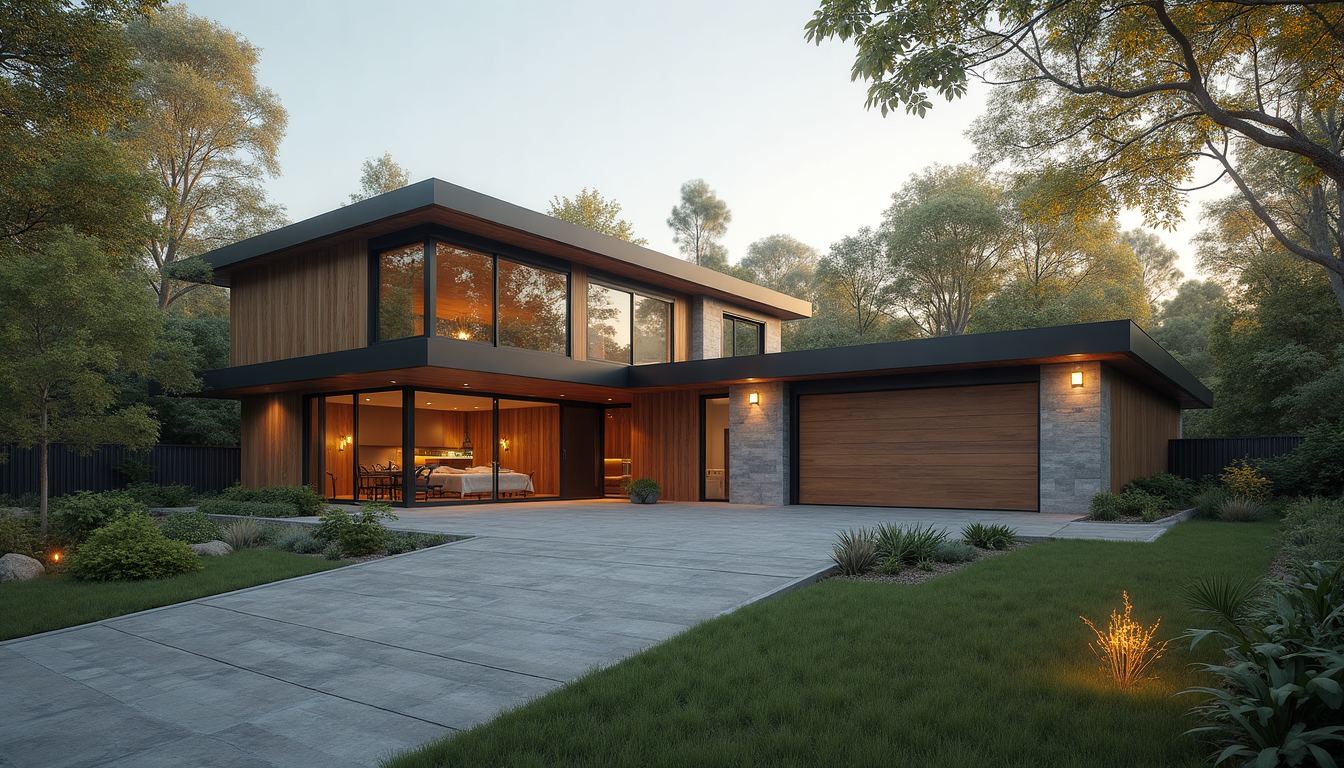
Stone: Incorporate stone walls or accents to create a rustic yet elegant look. Stone can also provide excellent insulation.
Clay: Clay tiles or plaster can be used for roofing and walls, offering a traditional touch while being environmentally friendly.
2. Focus on Open Spaces
Himalayan homes often feature open layouts that promote airflow and natural light. To achieve this:
Large Windows: Install expansive windows to bring the outdoors in. This not only enhances the view but also connects the inhabitants with nature.
Flowing Layouts: Design spaces that flow into one another, creating a sense of unity. Avoid unnecessary walls that can disrupt the flow.
3. Incorporate Cultural Elements
Adding cultural elements can enhance the authenticity of your home. Consider these ideas:
Carvings and Artwork: Commission local artisans to create custom wood or stone carvings that reflect Himalayan motifs.
Textiles: Use traditional Himalayan textiles for upholstery, curtains, and rugs. These can add color and texture to your home.
Statues and Altars: Incorporate spiritual elements such as statues or altars that reflect the region's rich spiritual heritage.
Creating a Tranquil Environment
A key aspect of Himalayan living is the emphasis on tranquility and mindfulness. Here are some ways to create a peaceful environment in your custom home:
1. Outdoor Spaces
Design outdoor areas that promote relaxation and connection with nature:
Gardens: Create lush gardens with native plants that require minimal maintenance. Consider adding a meditation area or a small pond for serenity.
Terraces and Balconies: Include terraces or balconies that offer stunning views of the surrounding landscape. These spaces can serve as perfect spots for morning meditation or evening relaxation.
2. Natural Light and Ventilation
Maximize natural light and ventilation to create a healthy living environment:
Skylights: Install skylights to allow natural light to flood into the home. This can enhance mood and reduce reliance on artificial lighting.
Cross-Ventilation: Design windows and doors to promote cross-ventilation, ensuring fresh air circulation throughout the home.
3. Mindful Spaces
Create dedicated spaces for mindfulness and relaxation:
Meditation Rooms: Designate a room for meditation or yoga, complete with calming colors and minimal distractions.
Reading Nooks: Incorporate cozy reading nooks with comfortable seating and ample natural light, providing a perfect escape for quiet time.
Sustainability in Design
Sustainability is a crucial consideration when building a luxury home. Here are some strategies to incorporate sustainable practices:
1. Energy Efficiency
Implement energy-efficient solutions to reduce your home's carbon footprint:
Solar Panels: Consider installing solar panels to harness renewable energy. This can significantly reduce energy costs over time.
Insulation: Use high-quality insulation materials to maintain comfortable temperatures year-round, reducing the need for heating and cooling.
2. Water Conservation
Incorporate water-saving features to promote conservation:
Rainwater Harvesting: Install systems to collect rainwater for irrigation and other non-potable uses.
Low-Flow Fixtures: Use low-flow faucets and showerheads to minimize water usage without sacrificing performance.
3. Sustainable Landscaping
Design landscapes that are both beautiful and environmentally friendly:
Native Plants: Choose native plants that require less water and maintenance, promoting biodiversity.
Permaculture Principles: Implement permaculture principles to create a self-sustaining ecosystem in your garden.
Bringing It All Together
Creating a custom home inspired by Himalayan heritage is a journey that combines aesthetics, functionality, and sustainability. By embracing natural materials, focusing on open spaces, and incorporating cultural elements, you can craft a luxurious living environment that reflects your values and lifestyle.
Key Takeaways
Natural Materials: Use wood, stone, and clay to create a warm and inviting atmosphere.
Open Layouts: Design spaces that flow seamlessly, promoting light and air circulation.
Cultural Elements: Incorporate traditional motifs and textiles to enhance authenticity.
Tranquil Spaces: Create areas for mindfulness and relaxation, connecting with nature.
Sustainability: Implement energy-efficient and water-saving practices to reduce your environmental impact.
By thoughtfully integrating these elements, you can create a custom home that not only embodies luxury but also honors the rich heritage of the Himalayas. This approach not only enhances your living experience but also contributes to a more sustainable future.
As you embark on your journey to build a custom home, consider how you can draw inspiration from the beauty and wisdom of Himalayan heritage. The result will be a unique space that reflects your identity and values, offering a sanctuary of peace and luxury for years to come.
Comments